New Administrative Penalty Framework for Vietnamese Employers in 2026

Decree 283/2026 introduces a new penalty framework for Vietnam employers, effective 10 September 2026. This Alitium guide explains fines for labour and social insurance violations, the separate labour registration obligation, potential criminal referrals, electronic service of notices and longer time limits for overseas labour breaches. It also sets out practical steps to reconcile insurance salaries, check onboarding records and strengthen payroll and HR controls.
VAT on Gifts & Promotional Goods in Vietnam

Giving goods away does not automatically mean a zero VAT taxable price in Vietnam. This article explains when goods supplied under a qualifying promotion have a zero taxable price, how ad-hoc gifts and price discounts are treated, and why an e-invoice may still be required. It also covers the records sellers should keep, when trade-promotion notification or registration applies, and why recipients cannot assume VAT shown on a gift invoice is creditable input VAT.
Vietnam’s Interest Deduction Limits: Deductibility for Companies with Related-Party Transactions

Vietnam’s interest deduction rules can restrict borrowing costs even where loans are from independent banks and priced commercially. This publication explains when related-party transactions trigger the rules under Decree 255/2026/ND-CP, how the 30% net interest limit is calculated, and how excess interest may be carried forward for up to five years. It also examines Official Letter No. 6487/CT-QLNT and the practical checks finance teams should make before arranging new funding.
Capital Structures in Vietnam 2026: A Foreign Investors Guide

Vietnam’s capital rules extend beyond the figures recorded on an IRC or ERC. This practical guide explains the relationship between charter capital, investment capital and loan capital; the updated thin-capitalisation and foreign-loan framework; and the use of investment capital and foreign-loan accounts. It also examines capital evidence, pre-investment costs, loan-to-equity conversions and multi-project structures, helping foreign investors fund and scale projects with fewer compliance risks.
Vietnam’s New UBO Rules: Foreign Investors to Revisit Ownership & Control

Vietnam’s beneficial ownership framework has changed under Decree 296/2026/ND-CP, introducing a clearer sequence for identifying UBOs through ownership, substantive control and, where necessary, fallback management disclosure. The rules are particularly important for foreign-invested enterprises, offshore holding structures and groups with complex governance rights. This update explains filing timing, penalties, nominee risks and practical steps for M&A, restructuring and compliance in Vietnam.
Vietnam PIT Withholding for Employers: Filings for “Nil” Withholding Periods

Vietnamese law generally exempts employers from filing monthly or quarterly PIT returns where no tax has been withheld. However, relying on this exemption can create practical risks when salaries are still paid, particularly if payroll is later corrected or annual finalisation does not reconcile. This article explains the rules under Decree 252/2026/ND-CP, the circumstances in which nil-period filings remain mandatory, and why consistent filing may provide stronger compliance protection.
Staff Transfers in Vietnam

Staff transfers between Vietnamese legal entities are not simply internal payroll changes. This article explains how employers should structure employee movements across group companies, restructurings and secondments while managing employment contracts, service continuity, final settlements, severance, statutory insurance, personal income tax, work permits and personal data. It also outlines a practical implementation sequence to align legal documentation with payroll and operational records.
Setting Up a Singapore Company in 2026: Commercial Substance Matters

Establishing a Singapore company is only the starting point. Businesses must ensure that commercial substance aligns with their activities, structure and intended tax position. This article examines Singapore tax residency, treaty access, foreign asset disposal gains, related-party transactions, governance and the functions actually performed in Singapore. It also explains why substance should be proportionate to the business model and reviewed as operations evolve.
Establishing Wholesale And Retail Operations in Vietnam in 2026
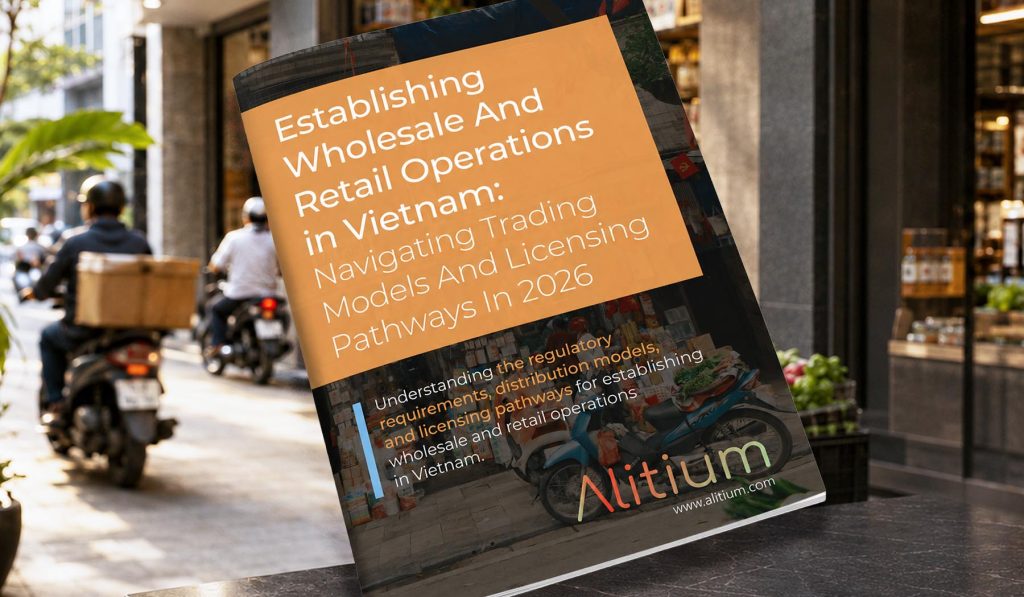
Retail and wholesale trade continues to grow in Vietnam for international brands and distributors, but wholesale and retail market entry requires careful regulatory planning. This publication explains how trading classifications, corporate registrations, Trading Licences, retail outlet approvals, e-commerce procedures and product-specific requirements interact. It also examines the temporary reforms introduced in 2026 and the practical steps foreign investors should consider before commencing sales.
Vietnam’s Implementation of the Apostille Convention from 11 September 2026

From 11 September 2026, Vietnam will implement the Apostille Convention through Decree 293, replacing multi-layer consular legalisation with a single Apostille for qualifying foreign public documents. This update explains how the framework operates, which documents are covered, when an Apostilled document may still be refused, transitional arrangements and the practical steps businesses should take when preparing documents for investment, licensing, work permits and other procedures in Vietnam.