Vietnam’s Accounting Enters a New Phase: Circular 99/2025 Replaces Circular 200/2014

Vietnam has released Circular 99/2025, a sweeping overhaul of its enterprise accounting regime that takes effect from 1 January 2026 and replaces Circular 200 after more than 10 years. The reform introduces new rules on accounting currency, digital documentation, internal control, financial statement formats, and chart of accounts—creating both compliance pressure and modernisation opportunities for businesses.
Vietnam & Global Minimum Tax

Vietnam’s Decree 236/2025/NĐ-CP implements the OECD’s Global Minimum Tax, ensuring multinational enterprises pay at least 15% tax on profits earned in Vietnam, protecting national revenue and aligning with global tax standards
Vietnam Trademark Protection: Strategy & Global Expansion

Strong trademark protection is vital for business growth in Vietnam and beyond. This article explains Vietnam’s legal framework, registration steps, and how the Madrid System enables global brand protection and long-term competitive advantage.
Singapore: A Magnet for Global Entrepreneurial Wealth

Singapore continues to attract global entrepreneurs with its strong economy, pro-business policies, and family office incentives driving innovation and growth.
Vietnam Expands PIT Exemptions: New Tax-Free Income Categories Effective October 2025

From 1 October 2025, Vietnam introduces three new Personal Income Tax (PIT) exemptions, with further digital technology incentives from January 2026. Learn what income is exempt, how businesses should prepare, and what these changes mean for compliance and tax planning.
Understanding Anti-Money Laundering Rules in ASEAN – Why Singapore Sets the Benchmark

Singapore has established a comprehensive AML/CFT (countering the financing of terrorism) framework, mandating financial institutions to conduct risk assessments, customer due diligence (including KYC), transaction monitoring, and suspicious transaction reporting to combat illicit financial flows.
Protecting Software Intellectual Property in Vietnam

Discover how to protect software intellectual property in Vietnam under the Law on Intellectual Property. Learn the differences between copyright, patents, and trade secrets, their advantages and limitations, and how businesses can safeguard innovation, reduce risks, and enhance investor confidence.
Vietnam’s New Corporate Income Tax Law 2025:Practical Implications

Vietnam’s new Corporate Income Tax Law (Law No. 67/2025/QH15), effective October 2025, introduces reduced SME tax rates, stricter deductibility rules, new M&A provisions, and expanded digital economy taxation. Learn how the Draft Decree provides guidance and what businesses must prepare for.
Work Permits in Vietnam in 2025 – A Guide
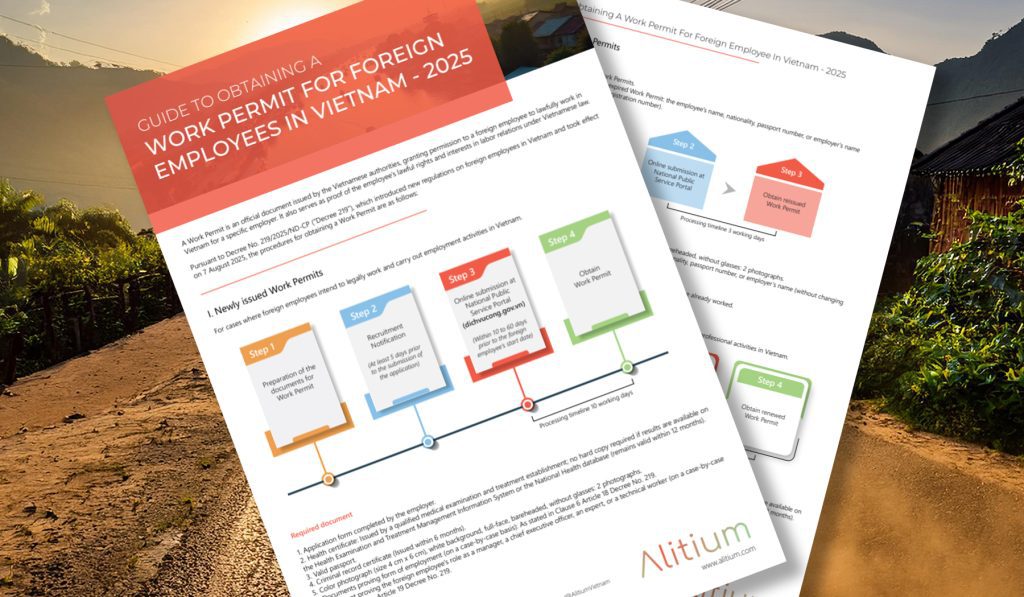
Learn the 2025 process for obtaining, renewing, or reissuing work permits in Vietnam under Decree 219. Step-by-step guide for employers & expats.
Understanding the K Coefficient in Vietnam’s Tax Administration in 2025

Vietnam’s Department of Taxation has recently introduced substantial reliance on the “K Coefficient” as part of its electronic invoice management system. This parameter is intended to both enhance tax compliance monitoring and prevent the issuance of fraudulent invoices.